The Bag That Has Your Back: A Confidence-First Gym Bag Checklist
Most gym bags are sold as kit haulers. Ours is more of a tiny support system. The right bag does not make you a different person when you walk into the leisure centre, studio or parkrun meet-up. It just makes the next hour easier: dry socks when the rain wins, a spare hair tie when yours snaps, a snack for the journey home. That is the whole brief. Pack for the movement you actually fancy, not for some imaginary version of yourself who has it all figured out.
Start with the movement, not the mirror
Before you add anything, ask what you are actually doing. A swim, a weights session, a dance class and a muddy weekend walk all need slightly different things. A good bag is built around the plan, not around the idea that you must look a certain way while doing it. If you are heading to a studio class after work, think about the changing-room reality: somewhere to put damp kit, a layer for the walk home, and a hairband within reach. If you are doing a parkrun, think about the weather and the queue for coffee afterwards. If you are trying something for the first time, think about the walk from the bus stop to the door. That bit counts too.
The non-negotiables that are not about looking the part
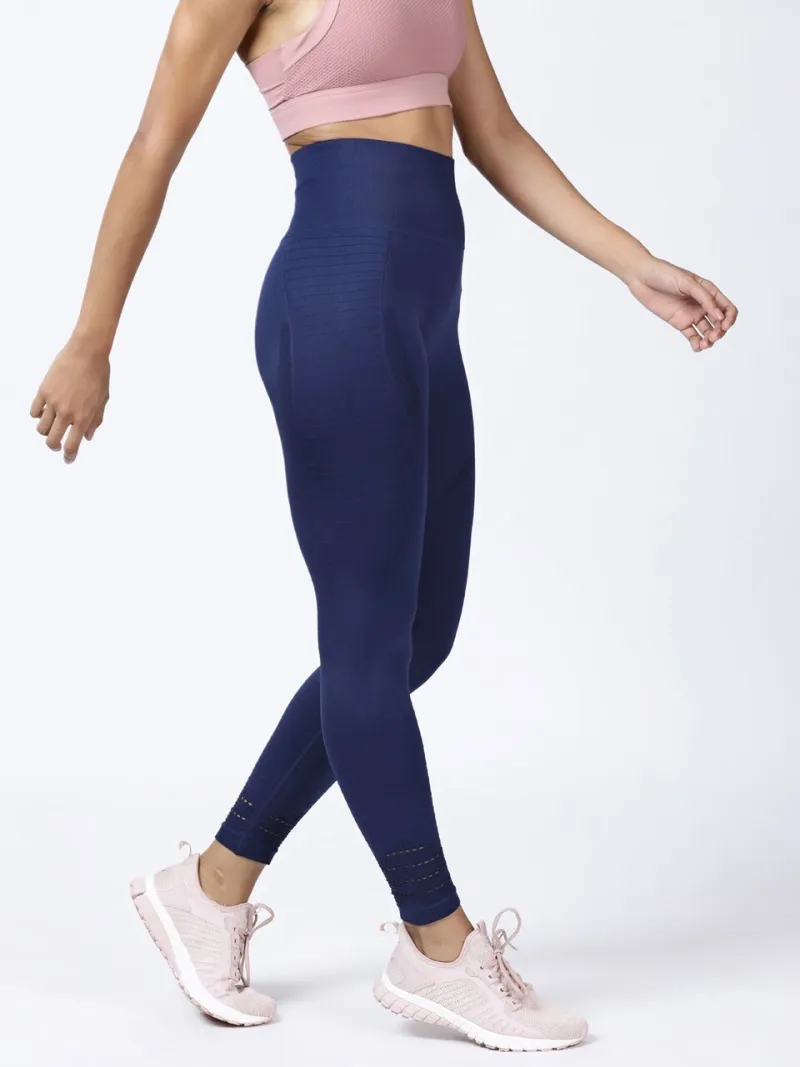
Your base kit should be things you trust. Leggings or shorts that do not need constant adjusting. A top that lets you move without tugging at it. Socks that stay put. A sports bra that feels supportive rather than punishing. Trainers that suit the activity. None of this has to be new, matching or Instagram-ready. It just has to work for you. If you have a favourite pair of leggings that have seen better days but still feel good, pack them. Comfort is not a failure of style; it is the point.
A spare top is never a bad idea, especially if you are going straight from work or meeting someone afterwards. It takes up almost no room and gives you options. The same goes for a lightweight jumper or zip-up. UK leisure centres are famously good at two temperatures: too warm in the studio and slightly arctic in the corridor.
The spare-layer rule for UK weather
We live in a country where the forecast is more of a suggestion. A thin waterproof or packable jacket is worth its weight in gold on the walk back from a class. So are spare socks. If you have ever squelched home after a rainy five-a-side or a damp walk to the gym, you already know. Keep a small drawstring bag or reusable pouch for wet kit so it does not make friends with your clean clothes. It is not glamorous, but it is genuinely useful.
In winter, add gloves or a hat if your route involves waiting at a bus stop. In summer, add sunscreen if you are moving outdoors. These are small things, but they are the difference between a good session and a session spent thinking about being cold, damp or sunburnt.
Tiny comforts that remove tiny barriers
This is where a bag starts to feel like it has your back. A mini deodorant. A hair tie and a couple of kirby grips. A small towel. A padlock for the locker. Flip-flops for the shower if that is your preference. A plastic bag for anything damp. Plasters for the blister you did not expect. Anti-chafe balm if you need it. Period products, just in case. Headphones if you like your own soundtrack, and a charged phone if you are using an app or meeting someone. A small snack and a water bottle are not extras; they are part of looking after yourself.
None of this needs to be expensive or coordinated. A clear pouch from a supermarket works just as well as a fancy wash bag. The point is to stop the small annoyances from becoming reasons to bail. When your bag already has a hair tie, you are less likely to talk yourself out of a swim because your hair is doing something unpredictable.
For first-timers: pack for the walk in, not just the workout
If you are new to a gym, class or club, pack your bag the night before and leave it by the door. Put in your kit, your water, your lock, your towel and anything you need for the journey. Check the route. Save the address. If you are nervous, that is normal. A packed bag will not remove the nerves, but it will remove the last-minute scramble that makes them worse. You do not need to arrive looking like a regular. You just need to arrive.
And if you are worried about what other people will think of your kit, remember that most people are thinking about their own session, their own playlist or whether they have time for a coffee afterwards. The body-positive bit is not a slogan on a bag. It is the decision to wear what lets you move and to stop treating your body as a project that needs fixing before it is allowed to join in.
For class regulars: build a restock ritual
If you already go often, the bag can become a mess of old receipts and one lonely sock. A five-minute Sunday reset helps. Empty it. Wash the reusable bottle. Restock the pouch with hair ties, plasters and deodorant. Put in a spare pair of socks. Check your padlock. Swap the towel. It is a small ritual that makes the week smoother, and it means you are not rummaging through your bag in a changing room while everyone else is already stretching.
A quick checklist to adapt
- Base kit that fits and feels good
- Spare top or layer
- Socks and, if needed, spare socks
- Trainers for the activity
- Water bottle and a small snack
- Towel and shower flip-flops if you use them
- Padlock and a bag for wet kit
- Mini toiletries, hair ties and period products
- Headphones, charger or anything for your app
- A lightweight waterproof for the way home
Pack what makes showing up easier for you. Leave out what makes you feel like you are dressing for an audience. Your bag should feel like a quiet yes to movement, not another test to pass. At Believe & Achieve Activewear, we are all for kit that helps you move your way. Believe and achieve.