Understated Movement: The Activewear Edit for Days You Want to Blend In
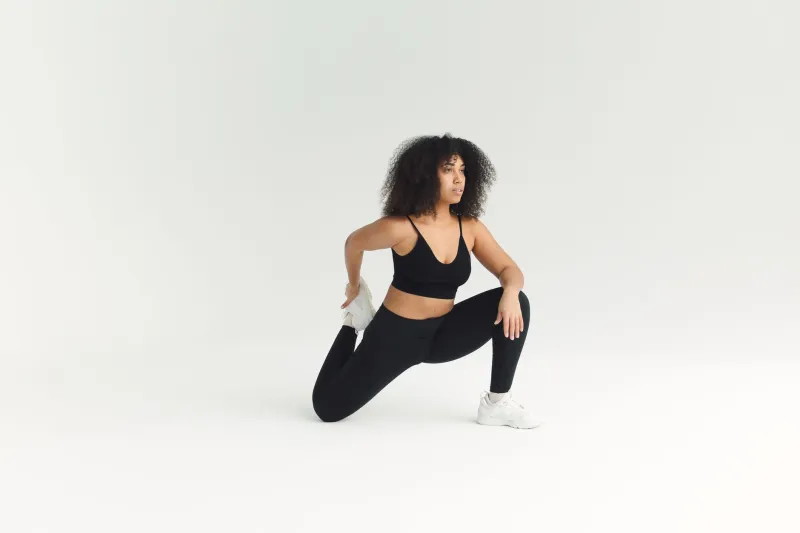
There is a particular kind of November morning in the UK when the gym feels like a lot. The windows are steamed up, the studio is packed, and everyone else seems to know exactly where to stand. On days like that, the last thing you need is your activewear shouting across the room before you have even found a mat.
This is not a piece about hiding. It is a piece about lowering the volume. Blending in can be a genuinely useful confidence strategy — not because your body needs to be disguised, but because sometimes you just want the movement to be the main event. If a low-key kit helps you walk through the door, that is a win. Move your way, remember?
Why blending in can be a confidence strategy
We often talk about activewear as a confidence cue, and it can be. A bright pair of leggings can feel like armour. A favourite zip-up can feel like a friend. But confidence is not one aesthetic. For some people, it arrives when the attention is turned down: no slogans, no neon, no fiddly details. Just soft fabric, a reliable fit and the quiet permission to get on with it.
That is especially true if you are new to exercise, returning after a break, navigating sensory sensitivities or simply not in the mood to be looked at. A neutral kit will not magically remove every anxious thought, but it can remove one small piece of friction. And small pieces of friction are exactly what we are trying to reduce.
You do not owe anyone a bold print. You do not have to earn your place in a class by wearing something eye-catching. Understated is not the same as unsure.
Start with colour that feels like a deep breath
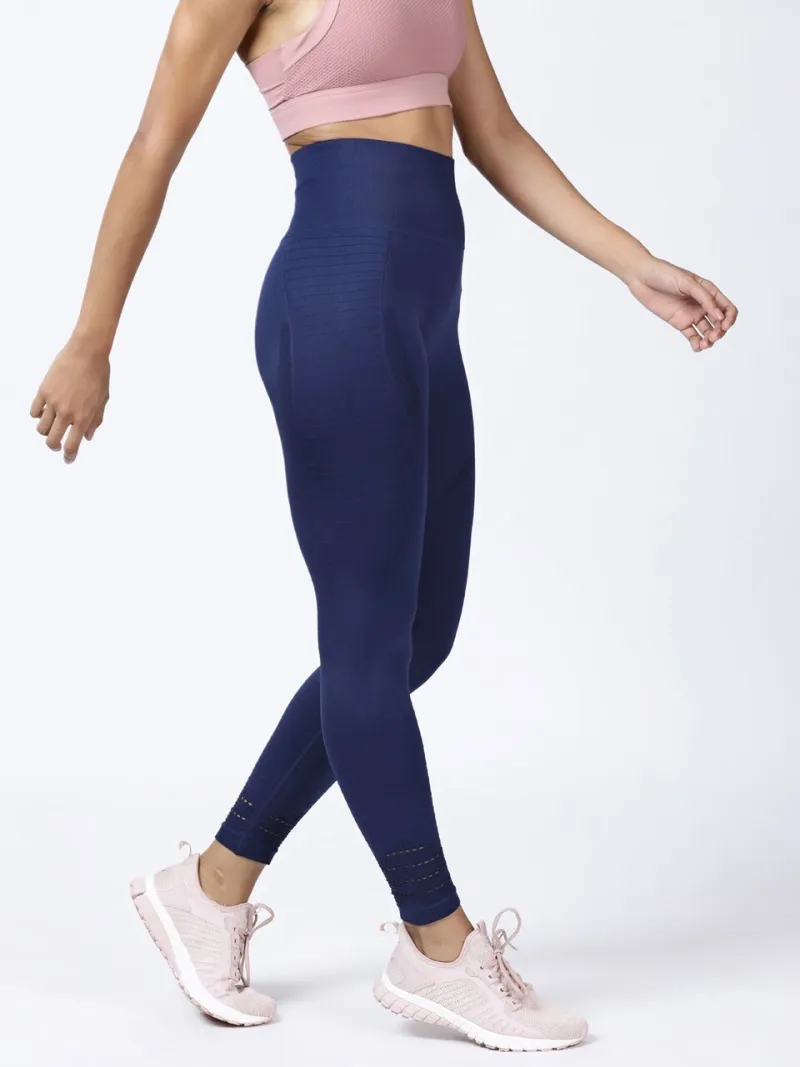
Low-key does not mean dull. It means considered. Think charcoal, navy, olive, slate, muted plum, deep green and soft black. These colours mix easily, work hard and tend to feel less like a costume. A monochrome outfit — leggings and a top in similar tones — can look quietly put together without asking for a second glance.
In the grey UK light, all-black can sometimes feel a bit severe, so texture is your friend. A brushed-back jersey, a ribbed waistband or a soft matte finish adds interest without adding noise. If you want a tiny bit of personality, try a tonal logo, a contrast zip or a slightly different shade at the cuff. The goal is not invisibility. The goal is ease.
The seam, the label, the waistband: sensory-friendly details
If you find certain seams, tags or waistbands distracting, you are not being fussy. You are noticing information your nervous system is picking up. A quiet kit should be quiet against your skin, too.
Look for flatlock seams, bonded edges, tagless labels and soft, wide waistbands. Fewer seams in high-friction areas — under the arms, along the crotch, across the shoulders — can make a real difference. If you are trying something on, do not just stand in the mirror. Reach overhead. Do a squat. Jog on the spot for thirty seconds. Sit down. Check whether the waistband rolls, the seam twists or the label scratches. If it itches in the changing room, it will itch in the class.
Layering for real UK weather
November movement in the UK rarely happens in one temperature. You leave the house in drizzle, get warm on the walk, find the studio radiator is on full blast, then step back out into a cold wind. Layers are not just practical; they are part of the quiet-kit strategy.
Start with a base layer that wicks and sits smoothly under everything. Add a mid-layer — a lightweight zip-through, a soft gilet or a long-sleeve top — that you can take off without feeling exposed. Finish with a packable waterproof shell in a neutral tone. Keep the colours close enough that you can remove a layer without your outfit suddenly looking like three different people got dressed together.
For outdoor sessions, remember the bits that get forgotten: a hat that does not press on your forehead, gloves you can actually move your fingers in, and socks that do not slide down inside your trainers. These are not glamorous details. They are the details that let you stay out longer.
Fit checks for an under-the-radar kit
A quiet kit should not need constant adjustment. Before you commit, run through a few honest checks:
- The squat test. Leggings should stay opaque and in place when you bend. If you are pulling them up every few minutes, they are not the ones.
- The overhead reach. Tops should not ride up uncomfortably or pull across the chest. You want to think about your breath, not your hemline.
- The waistband check. Wide, flat waistbands tend to feel calmer than narrow elastic. Make sure it does not dig or roll when you sit.
- The pocket question. A discreet phone pocket can be the difference between a relaxed walk and a fidgety one. It does not have to be on show.
- The sports bra fit. You want a band that stays put and straps that do not saw at your shoulders. A quiet kit starts with a supportive base.
Where a low-key kit fits in
This is not just gym kit. It is the kit for the back row of a yoga class, the community centre circuit session, the Saturday parkrun where you would rather not be spotted, the leisure centre swim, the lunchtime walk, the first visit to a new studio. It is the kit for days when you want to be a person who moves, not a person who is being watched.
And if you secretly love a bright pair of leggings, brilliant. Wear those too. The point is not to create a new rule about what confident activewear looks like. The point is to make room for more than one version of confidence.
The permission slip
Blending in is a valid way to build confidence. It is not a failure of body positivity. It is not a sign that you are shrinking. It is simply choosing what helps you get out the door and keep moving — and that is always worth celebrating. Whether your kit is loud or low-key, the only real benchmark is how it helps you feel. Move your way.